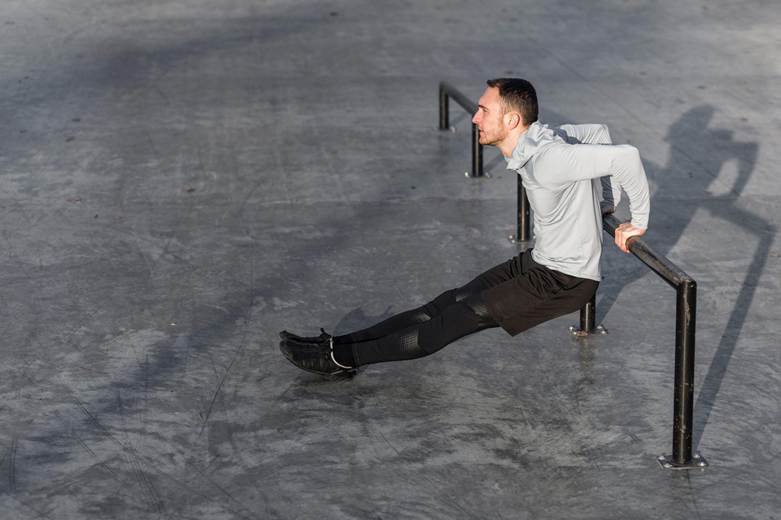
For many men over 40, fitness still revolves around intensity and strength. But in conversations surrounding sustainable wellness, John Telesca has increasingly focused on a growing problem: long-term recovery and mobility are often neglected. A growing problem has been emphasized: many adults train hard for strength while overlooking recovery, mobility, and long-term physical durability.
This pattern is especially common among individuals who have spent years viewing fitness primarily through endurance, toughness, or physical output.
Many continue focusing heavily on:
- Heavy lifting
- High-intensity training
- Long workout sessions
- Competitive performance
- Maximum exertion
while paying far less attention to the systems that allow the body to recover, stabilize, and function efficiently over time.
The result is that some individuals remain strong on paper while quietly becoming less mobile, more inflamed, and increasingly vulnerable to injury.
Strength Alone Does Not Always Equal Functional Health
One of the biggest misconceptions in fitness culture is the assumption that physical strength automatically reflects overall physical wellness.
In reality, someone may appear highly fit while still struggling with:
- Limited mobility
- Joint stiffness
- Chronic inflammation
- Poor recovery
- Restricted movement patterns
- Sleep disruption
- Lingering muscular imbalance
Strength matters, but sustainable movement depends on more than force production alone.
The body also relies heavily on:
- Stability
- Coordination
- Flexibility
- Nervous-system recovery
- Joint integrity
- Movement efficiency
When these areas are neglected for long periods, performance often begins declining gradually even if workout intensity remains high.
Recovery Is Part of Training, Not Separate From It
Many active adults unintentionally treat recovery as optional rather than essential.
This often leads to patterns such as:
- Training through pain
- Ignoring fatigue
- Skipping mobility work
- Poor sleep habits
- Minimal recovery time
- Constant physical strain
Over time, the body becomes less capable of adapting efficiently to stress.
Recovery is not simply about resting. It is the biological process that allows muscles, joints, connective tissue, and the nervous system to repair and stabilize after physical demand.
Without adequate recovery, the body remains in a prolonged state of stress response.
This can contribute to:
- Increased injury risk
- Reduced athletic performance
- Hormonal imbalance
- Chronic soreness
- Fatigue accumulation
- Reduced movement quality
Mobility Often Declines Quietly
One reason mobility problems become common after 40 is because movement limitations often develop gradually.
Many adults do not notice mobility loss until it begins interfering with:
- Squatting
- Reaching overhead
- Rotational movement
- Running
- Recovery after workouts
- Everyday activities
Reduced mobility is not always caused by aging alone. Repetitive movement patterns, prolonged sitting, poor recovery habits, and training imbalance also contribute significantly.
For example, someone may maintain upper-body strength while losing hip mobility, spinal flexibility, or joint stability simultaneously.
These imbalances can eventually place additional strain on the body during exercise and daily movement.
High-Intensity Culture Can Encourage Long-Term Wear
Modern fitness culture often rewards intensity over sustainability.
Many training environments promote:
- Constant exhaustion
- Minimal rest
- Aggressive progression
- Performance obsession
- “Push through it” mentality
While discipline remains important, constantly operating in high-stress physical states can eventually reduce long-term resilience.
The body responds best to balance between stress and recovery.
Without recovery, performance systems eventually become overloaded.
This is especially important for adults balancing careers, family responsibilities, aging physiology, and accumulated physical wear over time.
The Nervous System Also Needs Recovery
Physical fatigue is only one part of recovery.
Intense training, high-stress careers, lack of sleep, and chronic pressure can also overload the nervous system.
When nervous-system stress remains elevated continuously, people may experience:
- Poor sleep quality
- Increased irritability
- Slower recovery
- Reduced concentration
- Persistent tension
- Elevated inflammation
- Decreased motivation
Many adults mistakenly assume declining performance means they need even more training intensity when the body may actually require improved recovery and regulation instead.
Mobility work, structured recovery, breathing exercises, restorative movement, and sleep quality all play important roles in long-term nervous-system balance.
Longevity Requires a Different Mindset
Fitness goals often change significantly after 40.
In younger years, training may focus more on:
- Physical appearance
- Competition
- Maximum strength
- Endurance benchmarks
- Athletic performance
Over time, many adults begin valuing:
- Joint health
- Pain-free movement
- Energy consistency
- Recovery speed
- Stability
- Long-term mobility
- Injury prevention
This shift does not represent weakness or reduced discipline. Instead, it reflects a more sustainable understanding of performance.
Longevity-focused training aims to preserve physical capability for decades rather than maximizing short-term output alone.
Mobility Improves Everyday Function
One reason mobility deserves more attention is because it directly affects daily quality of life.
Healthy mobility supports:
- Better posture
- Reduced joint strain
- Easier movement
- Improved balance
- Faster recovery
- More efficient exercise performance
It also reduces compensation patterns where the body begins overusing certain muscles or joints due to restricted movement elsewhere.
Many chronic aches and repetitive injuries are connected not simply to aging, but to movement inefficiency developing over time.
Sustainable Fitness Requires Adaptation
The body changes with age, workload, stress exposure, and accumulated wear.
Training approaches that worked effectively at 25 may not support recovery the same way at 45 or 50.
Sustainable fitness often requires adjusting priorities toward:
- Smarter recovery
- Better mobility
- Structured progression
- Sleep quality
- Movement efficiency
- Injury prevention
This adaptation allows individuals to remain active longer without constantly cycling through pain, setbacks, or burnout.
Long-Term Performance Depends on Preservation
Many adults focus heavily on building physical capability while overlooking the importance of preserving it.
Strength matters, but longevity depends on maintaining the systems supporting that strength over time.
This includes:
- Joint integrity
- Recovery capacity
- Nervous-system regulation
- Flexibility
- Stability
- Consistent movement quality
As more conversations around aging and wellness continue evolving, fitness philosophies are gradually shifting away from short-term intensity alone and toward long-term physical sustainability.
In many cases, true performance after 40 is not measured by how hard someone can train temporarily, but by how effectively the body continues functioning, adapting, and recovering year after year.