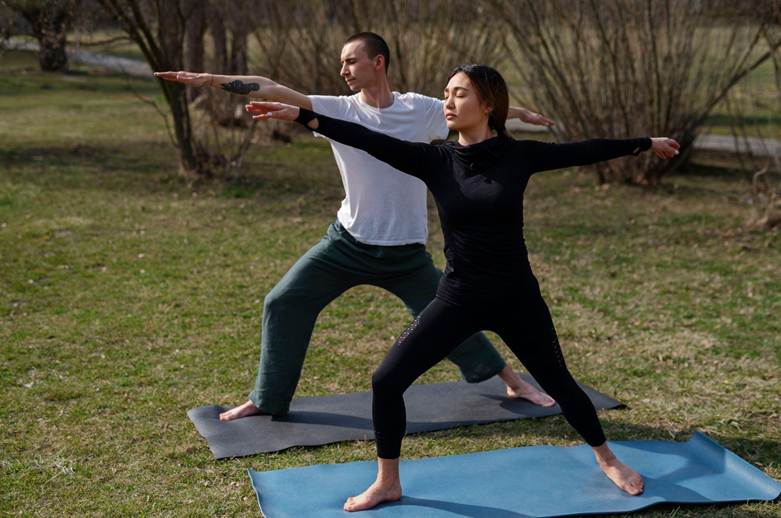
As conversations around healthy aging continue evolving, John Telesca of Port Chester has increasingly emphasized a topic many adults tend to overlook until physical limitations begin appearing unexpectedly: balance training.
For many people over 40, fitness goals often focus heavily on strength, weight management, cardiovascular health, or flexibility. While all of these areas remain important, balance is frequently underestimated despite playing a critical role in mobility, coordination, injury prevention, and long-term independence.
In many cases, declining balance begins gradually long before people recognize the warning signs.
Small changes such as:
- Reduced stability on uneven surfaces
- Difficulty recovering from slips
- Slower reaction time
- Joint stiffness
- Reduced coordination
- Hesitation during movement
can quietly signal broader changes in how the body processes movement and stability.
Because these shifts often happen progressively, many adults do not actively address balance until mobility becomes noticeably affected.
Balance Is More Than Simply “Not Falling”
One of the biggest misconceptions surrounding balance training is the belief that it only matters for older adults at risk of falling.
In reality, balance influences nearly every movement the body performs daily.
Activities such as:
- Walking up stairs
- Carrying groceries
- Getting out of vehicles
- Exercising safely
- Recovering from sudden movement
- Navigating slippery surfaces
- Maintaining posture
all rely heavily on balance systems functioning efficiently.
Balance also involves far more than leg strength alone. The body depends on coordination between:
- Muscles
- Joints
- Vision
- Core stability
- Inner ear function
- Nervous-system communication
When these systems stop working together effectively, movement efficiency often declines.
Aging Naturally Changes Stability and Coordination
After the age of 40, the body gradually begins experiencing physical changes that can affect balance even in otherwise healthy adults.
These changes may include:
- Muscle loss
- Reduced joint mobility
- Slower nerve response
- Decreased flexibility
- Reduced bone density
- Changes in posture
- Lower reaction speed
Many adults remain physically active while still experiencing subtle declines in stability because balance often weakens independently from general strength.
For example, someone may still lift weights regularly yet struggle with coordination, uneven surfaces, or quick directional movement.
This is why balance training deserves attention as a separate component of long-term wellness.
Poor Balance Increases Injury Risk
One major reason balance training becomes increasingly important with age is because instability significantly increases injury risk.
Falls remain one of the leading causes of injury among older adults, but even before serious falls occur, reduced balance can contribute to:
- Ankle injuries
- Knee strain
- Hip problems
- Back pain
- Muscle compensation patterns
- Reduced movement confidence
Many people unconsciously begin limiting physical activity once balance feels less reliable.
This reduction in movement can create a cycle where inactivity further weakens stability, mobility, and coordination over time.
Improving balance helps interrupt that cycle by increasing confidence during movement.
Core Strength Plays a Major Role in Balance
Balance and core stability are closely connected.
The core acts as the body’s central support system, helping stabilize movement during walking, lifting, bending, and directional changes.
Weak core engagement often contributes to:
- Poor posture
- Reduced stability
- Lower-body strain
- Increased fatigue during movement
- Difficulty recovering from imbalance
Balance-focused exercises frequently strengthen core coordination naturally because the body must stabilize itself dynamically rather than relying only on isolated muscle movement.
This creates more functional strength that translates into everyday activity.
Balance Training Supports Long-Term Independence
One of the most important benefits of balance training is its connection to independence later in life.
Many adults focus on fitness primarily through appearance or athletic performance, but long-term mobility often depends more on movement quality than aesthetics alone.
Strong balance can support the ability to:
- Move safely without assistance
- Maintain confidence in public spaces
- Continue recreational activities
- Navigate stairs and uneven terrain
- Recover from unexpected movement
- Stay active longer into aging
These abilities directly affect quality of life over time.
In many situations, preserving independence becomes one of the most valuable outcomes of maintaining physical stability.
Sedentary Lifestyles Quietly Weaken Balance
Modern lifestyles contribute heavily to declining balance because many adults spend large portions of the day sitting.
Extended inactivity can reduce:
- Hip mobility
- Core activation
- Joint flexibility
- Muscle responsiveness
- Coordination
Even people who exercise occasionally may still experience balance decline if daily movement patterns remain limited.
This is especially common among adults working long hours at desks, commuting frequently, or living highly sedentary routines.
The body adapts to inactivity surprisingly quickly.
Without consistent movement variability, stabilizing muscles often weaken over time.
Effective Balance Training Does Not Require Extreme Workouts
Many people assume balance training involves advanced athletic drills or complicated exercises. In reality, small consistent movements often produce meaningful improvement.
Simple balance-focused activities can include:
- Single-leg standing exercises
- Controlled step movements
- Stability-focused strength work
- Walking on varied surfaces
- Core engagement exercises
- Mobility drills
- Slow controlled directional changes
Consistency matters far more than intensity initially.
The goal is improving coordination, body awareness, and movement confidence progressively rather than creating exhaustion.
Balance Also Affects Mental Confidence
Physical stability and psychological confidence are closely connected.
Adults who feel physically unstable often become more cautious during movement, which can gradually reduce activity levels.
This hesitation may appear through:
- Avoiding stairs
- Limiting recreational activity
- Walking more cautiously
- Fear of slipping or falling
- Reduced willingness to exercise
Over time, fear-based movement patterns can contribute to reduced mobility and increased physical decline.
Improving balance often helps restore confidence because the body begins feeling more predictable and responsive again.
Prevention Is Easier Than Recovery
One reason balance training deserves earlier attention is because rebuilding stability after injury or major mobility decline is often far more difficult than maintaining it proactively.
Many adults only begin prioritizing balance after:
- Falls
- Joint injuries
- Surgery
- Chronic pain
- Significant mobility limitations
However, balance responds best to consistent long-term maintenance rather than emergency correction.
Even moderate preventive work can help preserve movement quality significantly over time.
As more people begin focusing on longevity and healthy aging, balance training may become one of the most valuable yet underappreciated parts of physical wellness after 40. In many cases, maintaining stability, coordination, and mobility is not simply about fitness performance, it is about preserving confidence, independence, and quality of life for years to come.